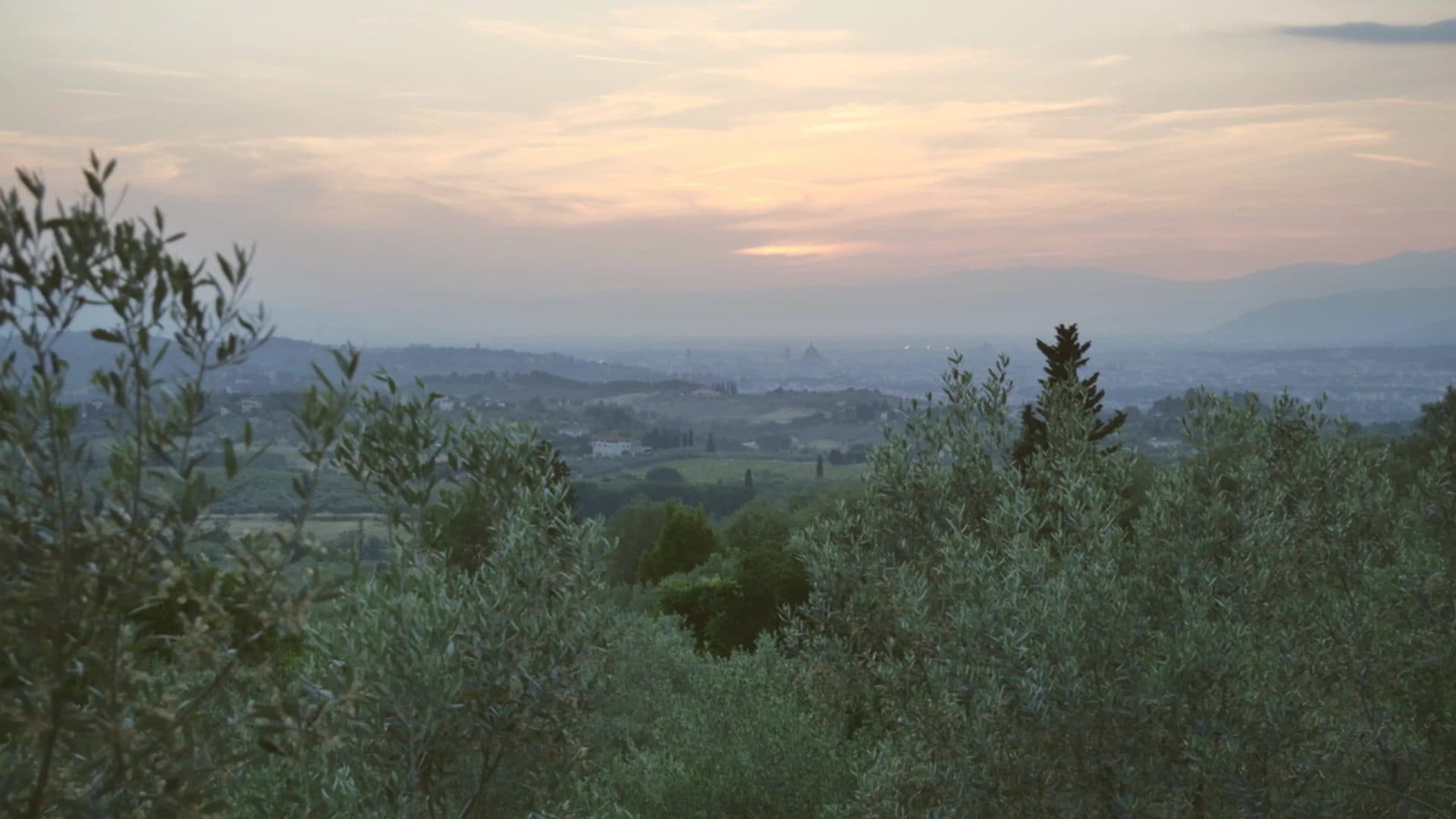
Long Enough
to Be Forgotten.
Not Long Enough
to Be Lost.
Across Tuscany, traditional olive groves are still being left behind because the work has become harder to sustain than the market is willing to value.
We return them to care, one grove at a time, and keep them there season after season.
No Warehouse Ever Looked Like This.
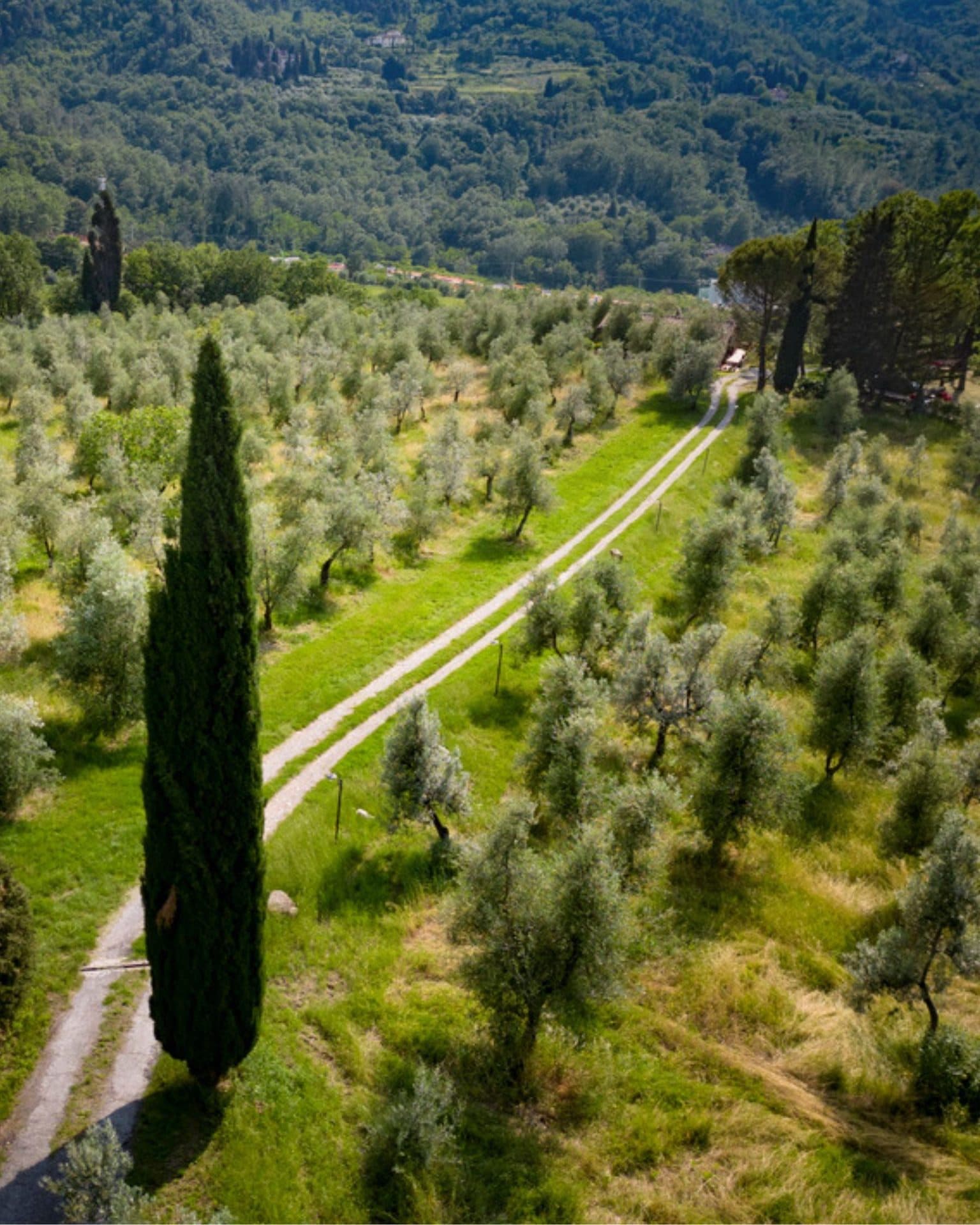
These are traditional groves: steep, uneven, and non-irrigated, shaped by the hillside rather than arranged for speed.
They ask more of the people who tend them and give less than a market built around more, faster, and cheaper expects. When the work can no longer be sustained, the grove is left behind.
Restoration is patient work. Trees are pruned back into health. Overgrowth is cleared. Soil and biodiversity are restored. The balance between land and human care returns one season at a time.
When the grove returns, skilled work continues, the surrounding community is sustained, and exceptional oil becomes possible.
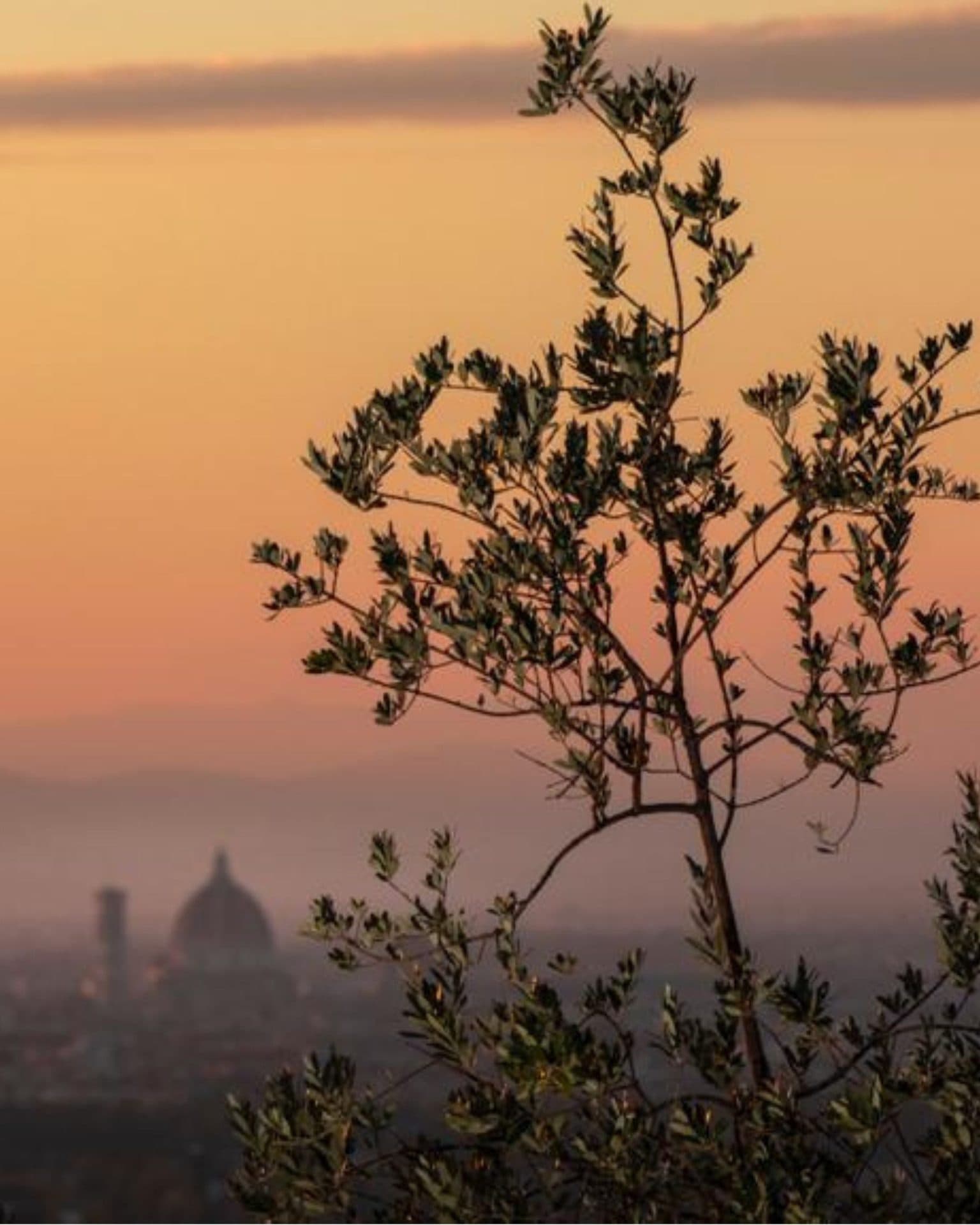
Six Groves. No Two the Same.
Altitude, exposure, varieties, history, and the people who care for them give each grove its own character.
Together, they bring more than five thousand olive trees back into care and keep them there, season after season.




The People on the Land
None of This Happens by Itself.
The people in the grove bring the knowledge, judgement, and care that allow the land, the harvest, and the oil to reach their fullest expression. Members help make that continuity possible.
Since 2014, the groves have also been a place of second chances, offering agricultural work to people rebuilding their lives.
They become part of the work, the place, and the community around it.
The grove returns. Skilled work continues. Exceptional oil becomes possible.

Restoration Ends. Care Never Does.
A grove may be restored once, however many seasons that return requires. Sustaining it asks for the same commitment year after year.
The trees, soil, biodiversity, and people behind the work all require continued care. That continuity protects what has returned and makes the next harvest possible.
Each autumn, the work of the entire year becomes visible. For a short window, members and guests can enter the groves, witness the harvest firsthand, taste the season's first oil, and meet the people who made it possible.
