
Why Abandoned Grove exists
Every meal is an act of rebellion against the ordinary.
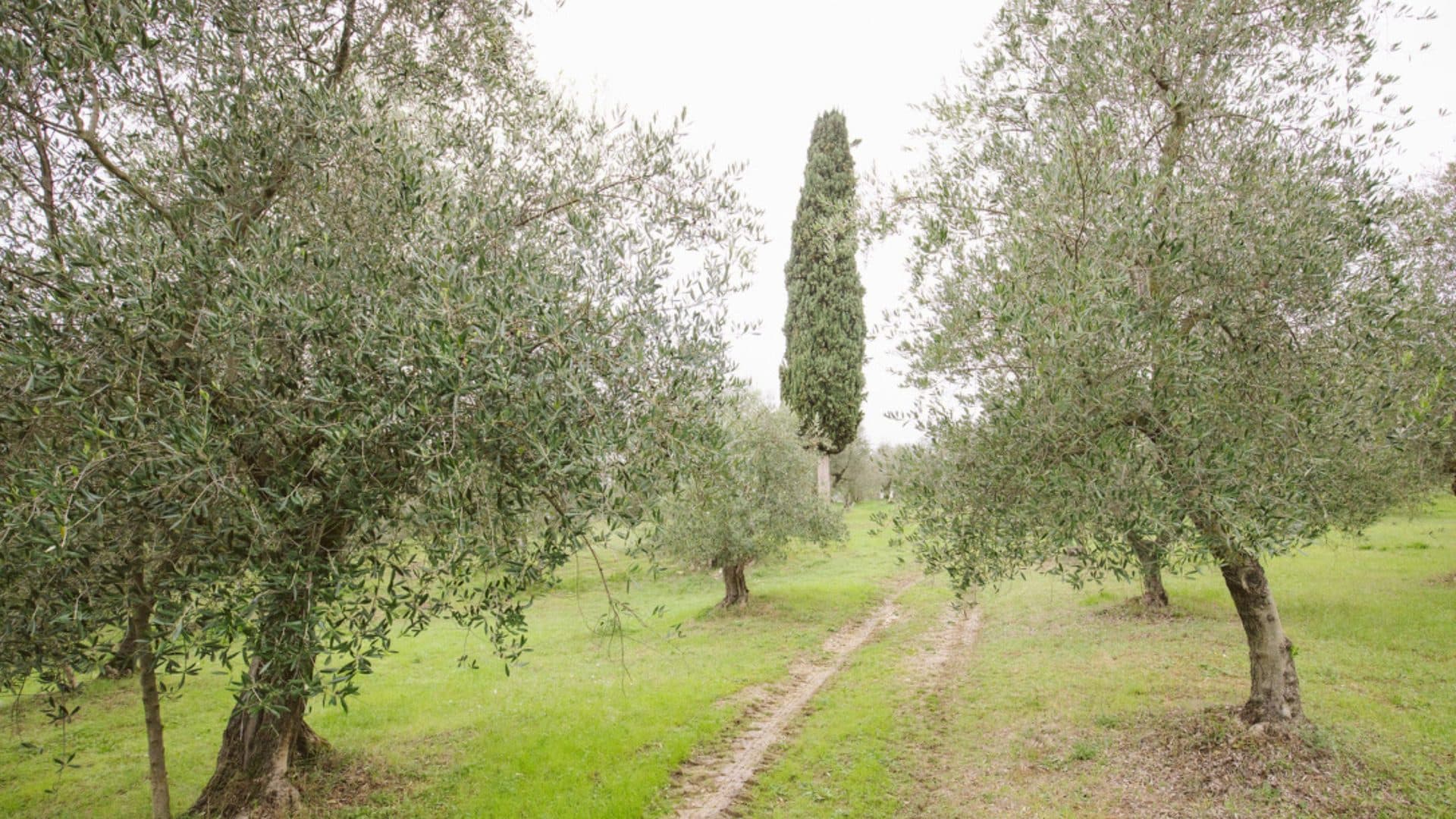
It begins in the grove.
Extra virgin olive oil is an art form, alive, with its own rules and demands. We make it for ourselves, for our friends, and for anyone who believes what’s exceptional is worth protecting.
We resist the pressure to produce faster and reduce food to a commodity. We refuse any concession that harms our planet, our communities, or our health, or robs us of flavour and meaningful experiences around the table.

Where it began
It began with a single taste.
In 2005, during a stay in Tuscany, Fil Bucchino tasted an olive oil unlike anything he had known. He was born in Florence, in the very region where quality was supposed to live, and still knew nothing of what olive oil could be. The oil was alive, complex and immediate. It erased everything he thought he knew.
He returned to the harvest year after year, learning from growers, tasters, agronomists, scientists and millers. Olive oil is plentiful. Exceptional olive oil is rare. Every decision in the grove, at harvest and at the mill, either reveals what the fruit can become or quietly diminishes it.
“I wanted to grow the feeling. The oil was an attempt to recreate what I had experienced and share it with anyone willing to listen.”
In 2009, that feeling became the first oil, shared with family and friends.
How it started
Then the contradiction became visible.
Andrea Pagliai, a friend and master grower, showed Fil grove after grove being abandoned.
Exceptional oil is slow. It asks for patient care, skilled people and living land. As demand grows, so does the pressure for greater quantities, higher speed and lower prices. When a grove can’t keep up, it’s easier to buy oil from somewhere else and keep the grove’s name on the label than to stay and care for the grove.
Groves like these give too little, too slowly, to survive on economics alone.
The scale of it
4 million
olive trees abandoned in Tuscany
440 million
olive trees at risk across Italy
5.2 billion
olive trees at risk worldwide
Estimates. We believe the real numbers are higher.
When a grove is abandoned, more than trees are lost. The land becomes vulnerable. The knowledge and skilled work disappear. The communities around it weaken. What disappears is the relationship between a place, the people who care for it and the quality they create together.
Abandoned Grove was born from a different choice: exceptional oil depends on exceptional places and exceptional people, and all three are worth protecting. Every drop of ours comes from the groves in our care; we never bring in oil from anywhere else.
What we refuse
Rebellion is easy to claim. These are the ones that cost us.

- 01
We don’t harvest by the calendar.
Each grove is harvested when its own fruit is ready. In 2025, Balatro began on October 8 and La Torre finished on November 6, a month apart.
- 02
We don’t rush a tree.
Bringing one back from abandonment can take three years, sometimes longer. Even in a restored grove, we’ll give up as many as two harvests from a tree to prune it back to health.
- 03
As much as the tree gives, and no more.
Two bottles a Guardian is about what a restored Tuscan tree gives in a year when it’s harvested for quality. We don’t push a tree past that to meet demand.
- 04
The oil follows the harvest, not the shopping calendar.
It ships when it’s ready, and never before.
- 05
What never goes into our bottles.
Any extraction below our standard. In 2025, that included the first 20 litres of every extraction; it went to kitchens and the community instead. In 2014, a late olive fly attack meant the early harvest couldn’t meet our standard, so we released none of it and refunded every reservation.
- 06
We never treat a whole grove for a few trees.
When the olive fly is active, we check 100 olives from 100 trees in every grove under a microscope, then treat only the part at risk. It takes longer. The rest of the grove is left alone.
- 07
The grass stays.
Wild plants, ground cover and native species are part of the grove, not obstacles to it. In 2025, independent researchers counted 49 bird and 12 bat species among our trees.
- 08
The people come before the yield.
We work with the same people, harvest after harvest. Some of our groves have been in our care since 2010, and social integration has been part of the work since 2014. Bringing a grove back takes years. So does every relationship worth having.
Who it’s for
The people we do it for.
“Delicious, fragrant, spicy and complex.”
Who cook with it and judge it by what happens on the plate.
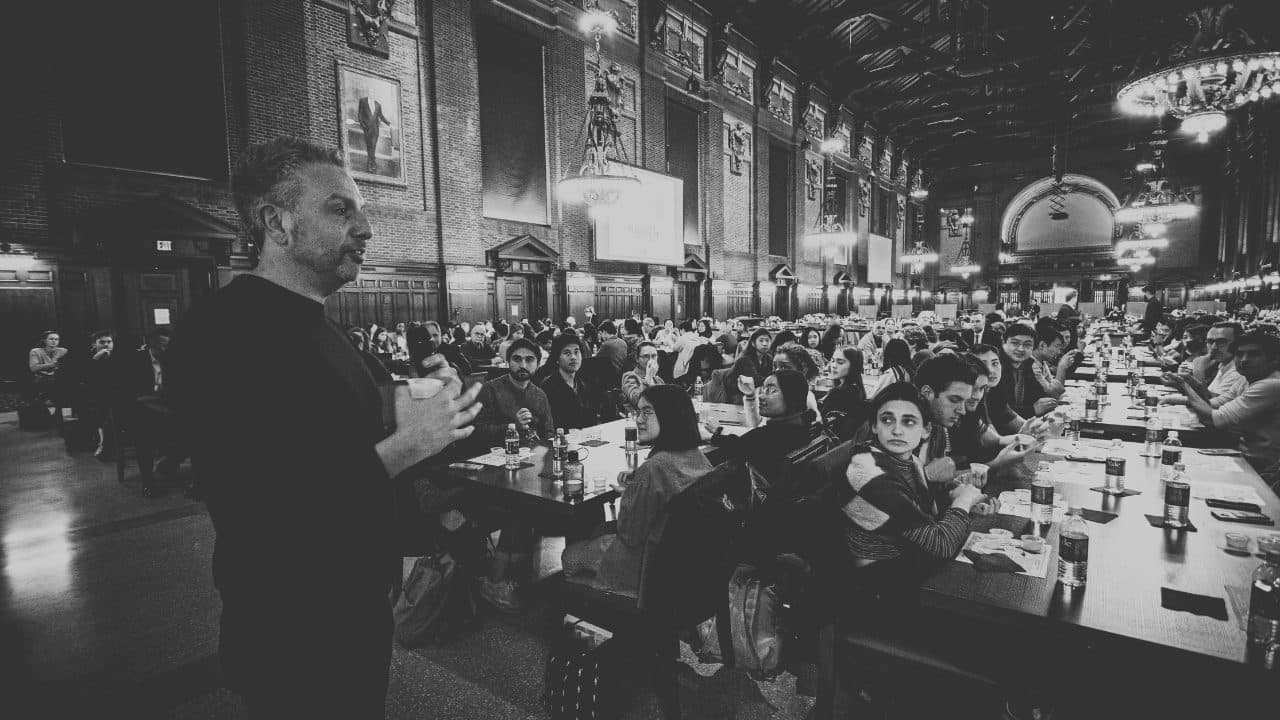
Tasters, millers, scientists and institutions who share what they know, from Yale University to the Chianti Classico Consorzio.
Growers anywhere who could make more oil and choose to make better oil, knowing what it costs them.
Andrea Pagliai, master grower of the groves in our care, and the crews beside him. Since 2014, with ASL, the local health authority, our social integration programme has brought 57 people navigating mental health challenges, addiction recovery or reintegration after incarceration to work in the groves, about 4,000 hours a year.
Some have been here since the first oil in 2009. Others joined last harvest. All of them keep the groves in care.
As featured in


Seen from outside
The work has travelled beyond the groves.
Fil Bucchino came to olive oil from biomedical science and music. He still treats each harvest like a live performance: it happens once, and can never be repeated. Today he is an international olive oil expert, panel taster and educator, and the only Canadian listed in Italy’s National Directory of Virgin and Extra Virgin Olive Oil Experts. He hosted and co-produced Obsessed with Olive Oil, the first feature documentary on olive oil quality, and is the co-host of The World of Olive Oil on PBS.


We’re a Certified B Corporation, independently verified for how we treat the land, the people and our impact. Through 1% for the Planet, we give 1% of our annual revenue to environmental nonprofits protecting air, land and water.
The years
One harvest at a time.
2005
A single taste in Tuscany.
2009
The first early harvest oil, Adagio del Colle, shared with family and friends.
2010
The first groves come into our care.
2011
Balatro gives the area’s first single variety Leccino.
2014
The social integration programme begins in the groves, with ASL.
2016
Restoration and quality grow together under one name: Abandoned Grove. The first gatherings begin in Toronto.
2020
Work begins at Osteria, abandoned nearly thirty years.
2022
Work begins with Yale University, the Chianti Classico Consorzio and other universities and companies.
2023
Osteria gives its first harvest in decades. LIFE Olivares Vivos+ begins measuring the biodiversity in our groves.
2024
Abandoned Grove becomes a Certified B Corporation.
2026
Six groves and more than 5,000 trees in our care. New trees planted at Balatro and Vernalese.

Where this goes
No grove abandoned.
Some things are too extraordinary to disappear.
The grove. The knowledge held by the people who tend it. The community that forms around the work. The oil at its fullest expression. Abandoned Grove exists to keep them together.
No grove abandoned is not a claim that the work is complete. It’s the direction every decision is measured against. More groves remain to be brought back into care. More harvests must prove what patient care, human judgement and living land can create together.
Membership is how we stay off the market’s terms. Every member keeps the groves in care, the standard where it is, and the people beside us free to do their best work.
“In this world where so much is artificial and fleeting, I appreciate being able to be part of something that has greater meaning.”
We are growers, makers, tasters, dreamers and idealists. We’re grateful you found your way here.
Membership from $45 a year. With a tree, $225. Guard or gift a tree by December 31 for this year’s harvest.
Gift a Tree